“The first and simplest way is to consume less — it’s perhaps the most important tool at our disposal. Secondly, we can also consider the idea of “localization,” a concept developed by economist Helena Norberg-Hodge,” Walton writes.
“Our homes are ideally placed to support and promote these ideas, with everything from the materials we source in construction to how we fit out and furnish them,” she writes. “The choices we make don’t have to be at the expense of creating a space that feels warm and welcoming, though. Instead, they can actually make us feel better about how and where we live.
“Thirdly,” she adds, “when we choose to connect more with nature, it becomes a bigger priority in our lives.”
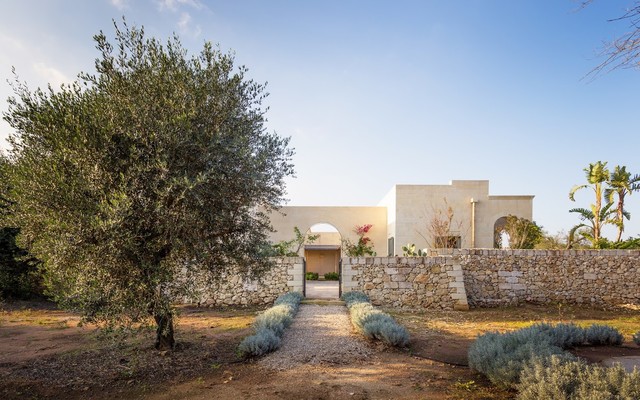
“Architecture has always been slow because, regardless of lifestyle, the conception and execution of construction processes requires slowness. The term ‘slow living’ is a somewhat commercial label today,” he says. “It is true, however, that compared to the frenetic pace of construction in certain parts of the world, slow architecture can be understood as an act of care, taking the time necessary to build one’s home out of the reusable materials onsite. In this sense, it’s the slow process of a renovation that’s not focused on profit.”
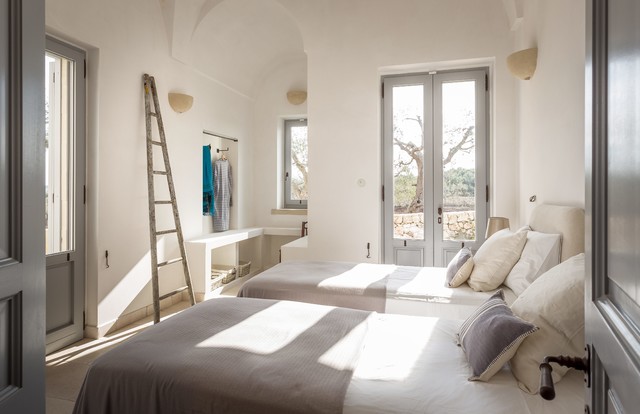
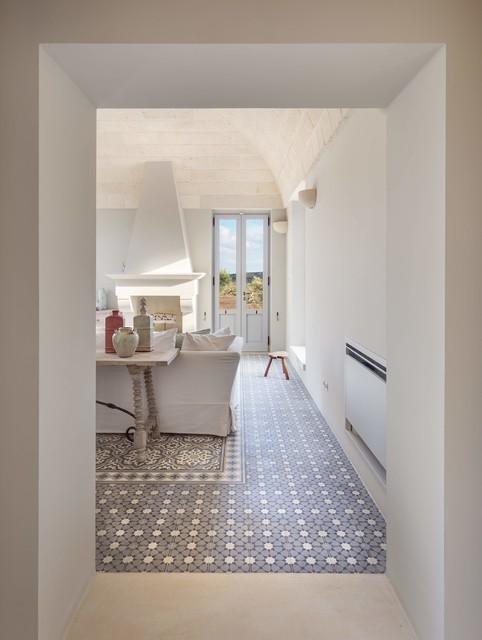
How does architecture respond to slow living? How can we identify the design practices that can help us slow down?
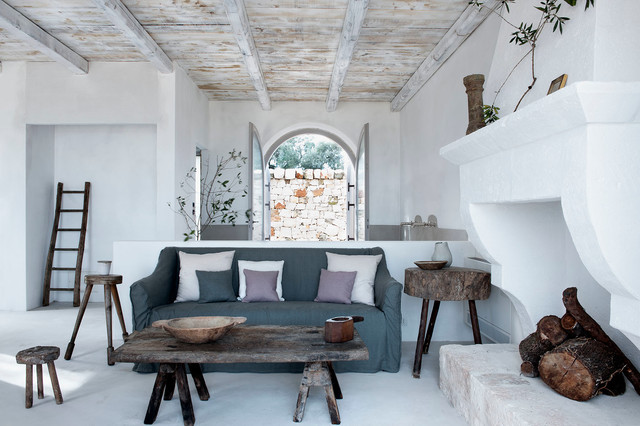
“The answer is using local models and architectural typologies, those that have always served this kind of function and lifestyle,” Ghiretti says. “It’s important to use local materials and insert salvaged elements whenever possible, while recovering the spaces that were there before and converting them to serve other functions.”
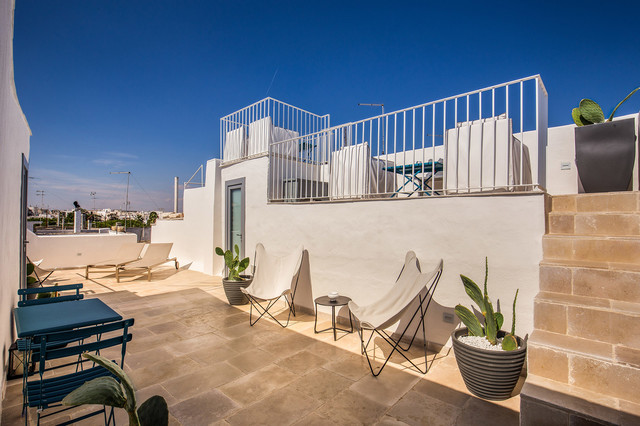
Outdoor living is another essential component. “Here, where the climate allows it, it’s important to create a very strong relationship between indoor and outdoor spaces, maximizing contact with nature so that 50% to 60% of your time is spent outdoors.”
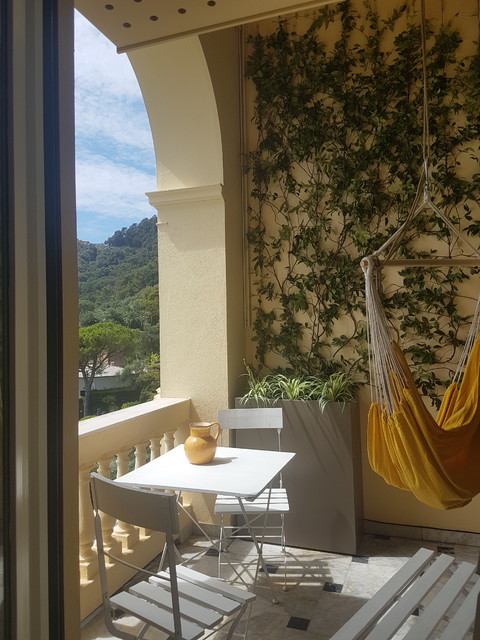
Can plant care be a secret weapon for finding a slower pace? That’s what we asked Elisabetta Cavrini who — along with her husband, Michele — runs Gardenstudio, a Bologna, Italy-based business specializing in terrace and garden design.
For Cavrini, experiencing greenery takes perseverance. Plant care yields results only over time — which every living organism needs to grow. “You get the greatest benefit from greenery not when you surround yourself with it, but when you take part in its growth. Not everyone experiences the innate pleasure of living with and caring for plants. It’s something very personal, which only takes shape over time.”
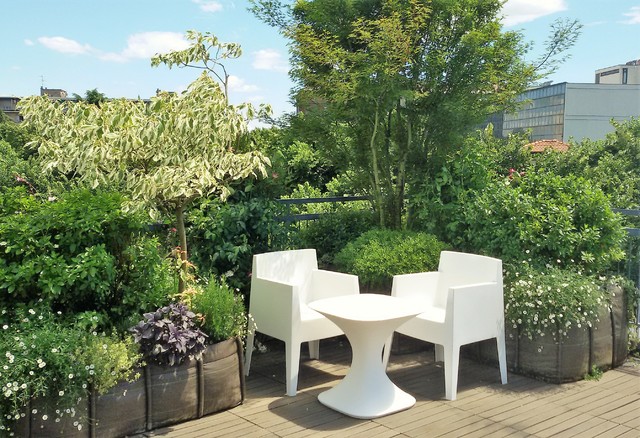
“There’s value in seeing something that grows with your care or perishes because you don’t understand it or haven’t done enough. In nature, as in life, not everything is always successful, so taking care of something green allows you to understand instability.”
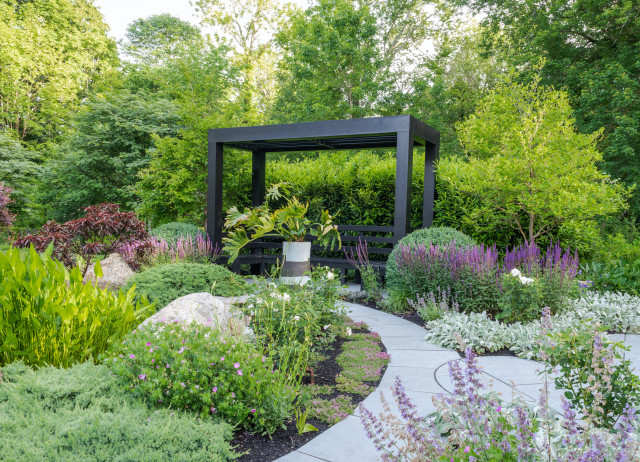
We asked if she had any advice on how to get started. The answer? Taking your time. “It’s better not to go over your head; always start with a comfortable, easy project, so you can have continuity and see the results over time,” she says.
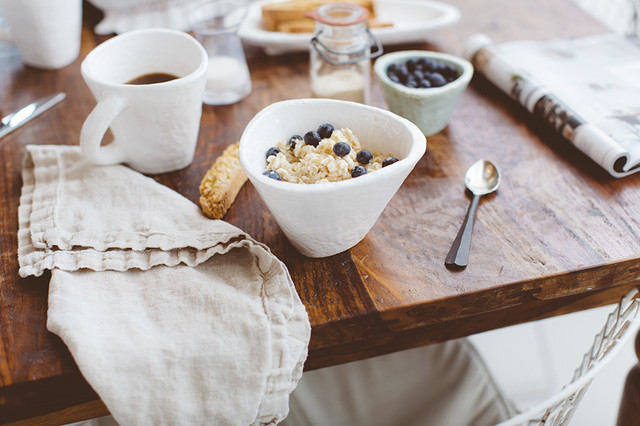
“I’m a nutrition coach,” Kom says. “Over the course of my professional career, I realized that people who came to me were using food as comfort, to respond to their chronic lack of time for living and listening to themselves. It was this observation that gave rise to my vision for a form of coaching dedicated to slow living. I practice it in combination with ‘slow-living yoga,’ a very slow style of yoga that allows us to get back in touch with all the messages our body sends us continuously, but which we never want to listen to.”
For Kom, slowness became a way to put the things that are really important back into focus and address neglected needs, like the need for rest. “We’ve been raised to be very violent with ourselves, to do everything quickly, to feel guilty if we waste time and aren’t productive. Slowing down is a way of focusing on calm and concentration, an attitude that’s necessary in order to keep up with the intense rhythm of our everyday lives.”
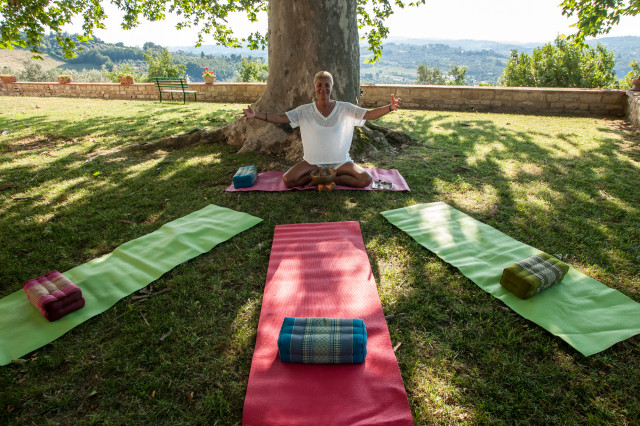
She recommends a small practice to regain a sense of well-being and harmony with our natural rhythms. “Walking around barefoot, or in socks in winter, is, in my opinion, a form of nourishment that allows one to immediately have better posture and be more aware,” she says.
 Hadrych Properties
After Petrini, English-speaking countries took the reins, theorizing the need for a return to a slower pace and linking food to other areas of life. Many authors have used the word “slow” as an acronym for Sustainable, Local, Organic and Whole.